The land is alive.
Every stay is shared with creatures that knew these hills before we did.
We did not invite nature in. We arrived inside it.
Bio@Us lies within the living landscape of San Paolino, where the olive grove meets woodland, open fields and the quiet routes used by animals after dark. A footprint in the soil, a movement between the trees or a call from somewhere beyond the light is not an interruption to the stay. It is part of the place.
Wildlife remains wild. It does not perform on request and it does not always appear when a camera is ready. That is precisely why an encounter still feels like one.
The land does not become empty when people go inside. It simply becomes busy in another language.
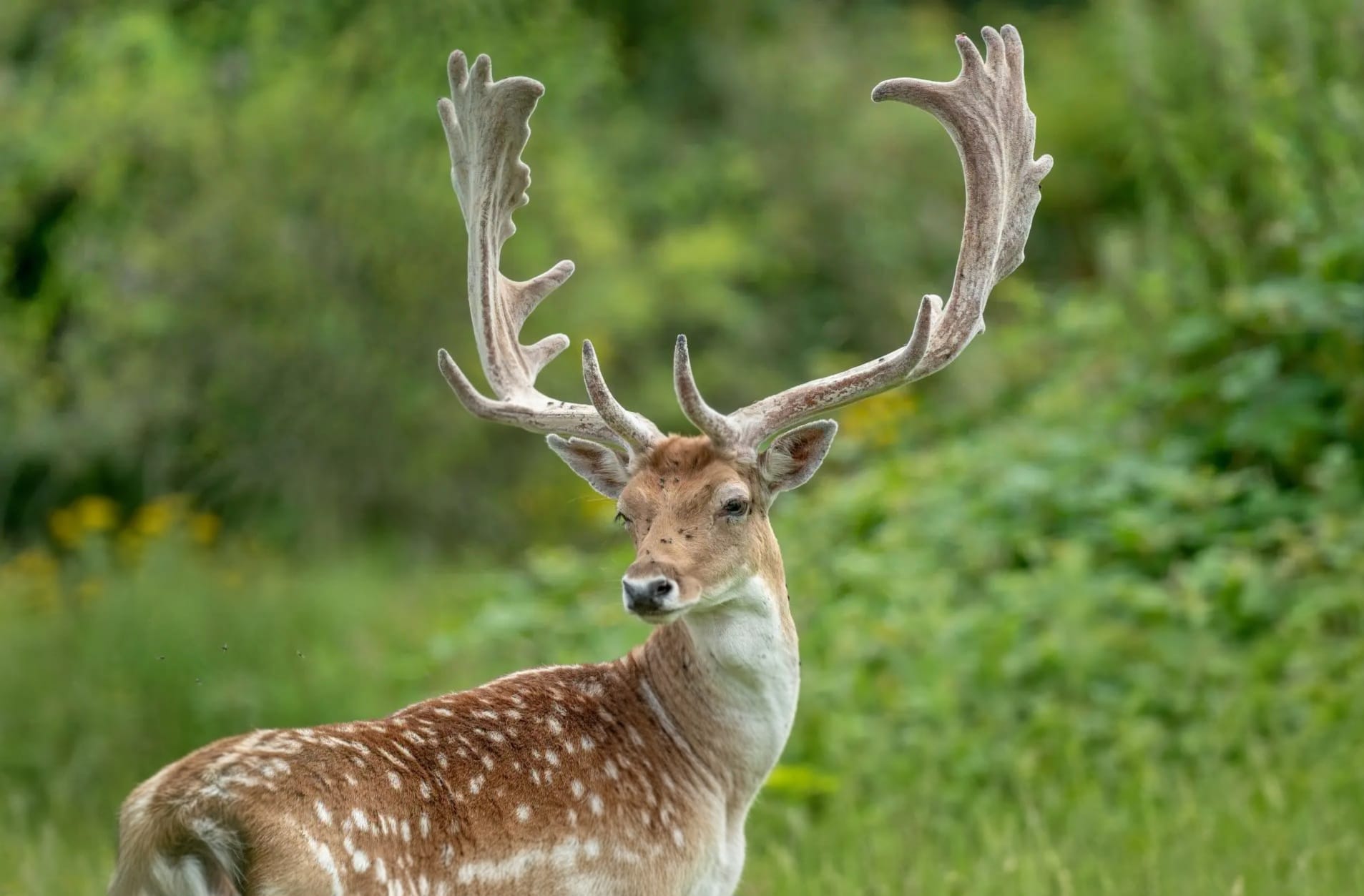
Some guests leave no booking confirmation.
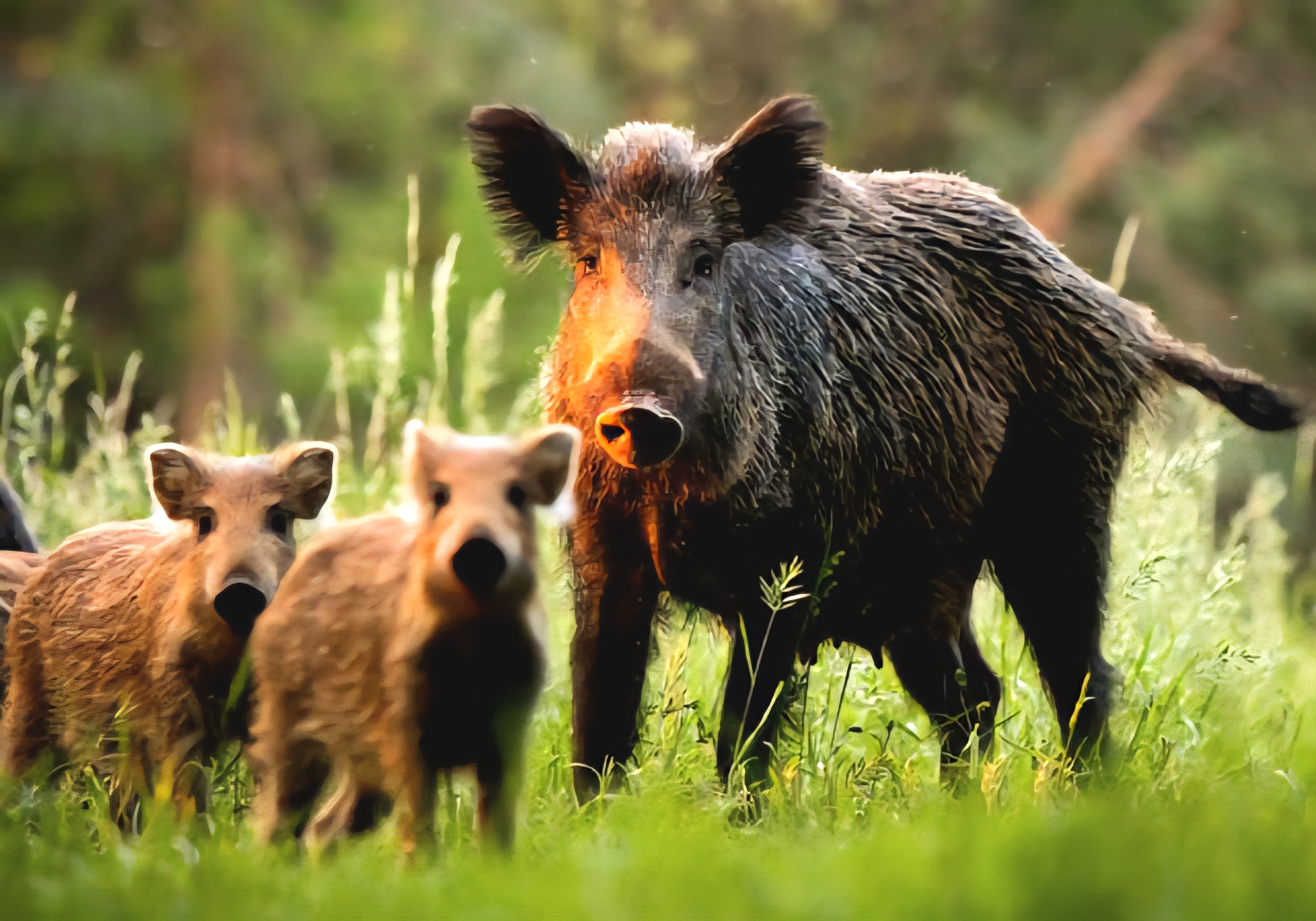
Deer cross the quiet ground at dawn. Wild boar follow older paths through the fields and woodland. Foxes pass with the confidence of animals that know exactly where they are going. They do not belong to Bio@Us. Bio@Us belongs to the landscape they use.
Wolves are also present in the wider area of the Marche. Their return is part of the recovery of the Italian landscape. They are naturally elusive and encounters with people are unusual. Most guests will never see one, although knowing they are somewhere beyond the visible edge of the land adds a certain dignity to the night.
- Deer are most often noticed around dawn and dusk
- Wild boar may travel in family groups, particularly where woodland meets open land
- Foxes move quietly through fields, paths and the edges of the olive grove
- Wolves occur in the wider region but generally avoid people
- All larger wildlife should be observed calmly and from a respectful distance
The ones who briefly let us see them.
A wild animal does not owe anyone an appearance. Most encounters are brief, quiet and over before the mind has decided what it saw.
Deer
They appear at the soft edges of the day, when the land is neither fully asleep nor completely awake. Their stillness often lasts only until they notice ours.
Observe quietly and leave their route open.Wild boar
Strong, intelligent and usually intent on their own affairs, wild boar may cross the wider land in search of food, shelter and familiar paths.
Never approach, particularly when young animals are present.Wolves
Wolves belong to the wider ecosystem of the Marche. They are wary of people, move over large territories and are far more likely to notice us than to be noticed themselves.
A distant sighting should remain distant and undisturbed.
Darkness is not an empty room.
When the last human conversation becomes quiet, another part of the estate begins its working day. Porcupines search beneath trees and along the woodland edge. Foxes pass through without ceremony. Owls take possession of the air.
Porcupines have become the unmistakable stars of our nights. They are shy, deliberate and considerably less hurried than the cameras waiting for them. Their quills cannot be fired through the air, despite the old story, but they remain a very good reason to admire rather than touch.
- Porcupines are mainly active after dark
- Foxes may appear around woodland edges and open fields
- Owls can often be heard before they are seen
- Outdoor food should never be left where wildlife can reach it
- Night encounters should remain quiet, distant and brief
The sky watches too.
Not everything that belongs to these hills walks across them. Some circle high above the olive trees, while others spend their lives beneath fallen leaves, old stones and damp woodland. Together they complete the landscape.
Birds of prey
Buzzards, kestrels and falcons are regular companions above the estate. If you spend enough time looking towards the hills rather than your phone, you will almost certainly see one riding a thermal with barely a movement of its wings. On quieter evenings owls replace them, carrying their calls across the valley after sunset.
Lizards & salamanders
Warm stone walls attract lizards throughout the day, while salamanders prefer cooler places beneath leaves and fallen branches. They are small reminders that a healthy ecosystem is built just as much by its quieter inhabitants as by its larger ones.
Snakes
Several harmless snake species live naturally in this region and help control rodents. European Asp Vipers also occur in suitable habitat, although encounters are uncommon. Like almost every wild animal here, they would rather avoid people than confront them.
Insects
Cicadas provide the soundtrack of summer afternoons. Butterflies drift between flowers. Mantises wait with extraordinary patience. Crickets replace the birds after dark. Even the smallest creatures remind us that silence is rarely empty.
Good neighbours leave very little behind.
Wildlife remains wild because people have not tried to manage every encounter. A few simple habits allow both guests and animals to enjoy the same landscape without disturbing one another.
Observe. Do not interfere.
Wild animals should always be enjoyed from a respectful distance. Watching them quietly is often rewarded with behaviour that disappears the moment people move closer.
Please don't feed wildlife.
Human food changes natural behaviour, attracts animals to guest areas and can be harmful to their health. Nature already provides what they need.
Stay on established paths.
Paths exist for a reason. They protect both visitors and sensitive habitats while greatly reducing the chance of unexpected encounters in dense vegetation.
Dogs remain on a lead.
Domestic dogs naturally attract the attention of wildlife. Keeping them close protects local animals, your pet and every other guest enjoying the estate.
Leave nests, feathers and young animals exactly where they are.
A young animal that appears alone is often not abandoned. Parents frequently remain nearby while waiting for people to leave the area.
Let the night stay quiet.
Much of the wildlife around Bio@Us becomes active after sunset. Lower voices, softer lighting and slower movements help preserve the experience for everyone, including the animals themselves.
A note about wolves and vipers
Wolves are part of the wider ecosystem of the Marche and their return is considered an encouraging sign of a healthy landscape. They are naturally shy, avoid people and sightings are exceptionally uncommon. If you are fortunate enough to see one, enjoy the moment from a respectful distance and allow the animal to continue undisturbed.
Several harmless snake species also live on the estate, together with the European Asp Viper. Encounters are uncommon and bites are extremely rare when snakes are left alone. Wear suitable footwear during countryside walks, remain on established paths where possible and never attempt to touch or move a snake. In the unlikely event of a snake bite, contact the Italian emergency services immediately by calling 112.
Wildlife forms an essential part of life at Bio@Us. By booking a stay, guests acknowledge that the estate exists within a natural environment where wild animals may occasionally be seen. We do everything reasonably possible to maintain a safe environment while respecting the animals that already call these hills home.
We are only temporary neighbours.
Long after today's guests have returned home, the deer will still cross these fields, owls will still hunt beneath the stars and porcupines will continue their patient search beneath the olive trees. Our privilege is simply that, for a little while, we are allowed to share their world.
Every footprint tells a story. Some wear walking boots. Others carry hooves, paws or wings. At Bio@Us they all belong.